Pulse and meter set up strong expectations of rhythmic regularity. Syncopated rhythms that dance between pulse violet listeners’ metric expectations, spurring a feeling of uncanny pleasure.
lk 89
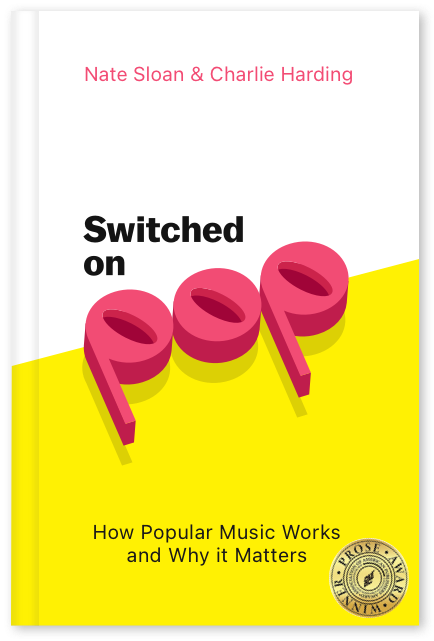
Pulse and meter set up strong expectations of rhythmic regularity. Syncopated rhythms that dance between pulse violet listeners’ metric expectations, spurring a feeling of uncanny pleasure.
lk 89
You may notice something: the first tick [of analog clock] seems to hang for a moment before the rest proceeds at regular intervals. The effect is a product of our brain “slowing down” that first tick in order to process the information it is receiving.
lk 87
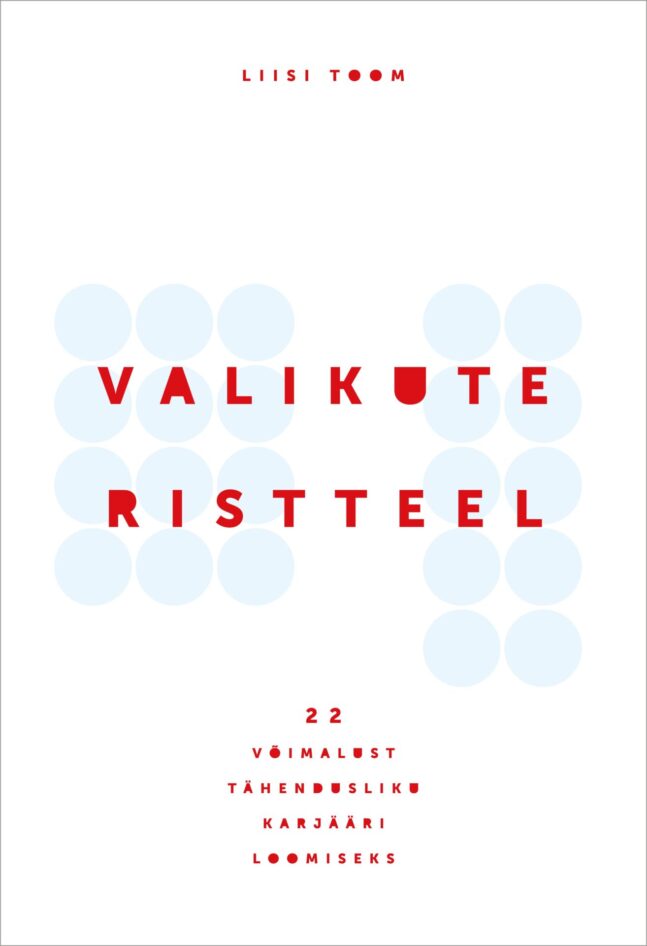
Vajame stabiilsust, et olla emotsionaalselt tasakaalus. Samas, kui me teame, et ei pea elu põhiasjade pärast muretsema, tekib meis ka julgus, jõud ja valmisolek eksperimenteerida. Nii lisandub meie ellu midagi, mis ergutab ja sunnib arenema, lisab elule särtsu
lk 21
Inimene on ainus liik, kellel on kõrva ja jala vahel eriline ühendus, mis tähendab, et me oleme loomupäraselt oma liikumise rütmile häälestatud.
dr Julia Christensen tantsimisest.
lk 173
Today the relative absence of three-beat meters suggests that we are still very much living in an age shaped by the rhythmic vision of African American musical practice.
lk 14
Humans have upper and lower limits to the tempo that we can process: nothing higher than 300 or lower than 40 BPM. In between lies “sweet spot”. From the 1940s to the 2010s, the average tempo of Top 40 pop has remained right around 120 BPM. This particular rate strikes a remarkable correlation with what psychologists identify as the human body’s “prefered tempo”. As humans like to listen to music with the tempo of 120 BPM, they also like to walk at about 120 steps per minute
lk 11
In the beginning, there was the beat. The maternal heartbeat is the first sound heard in the womb.
lk 9
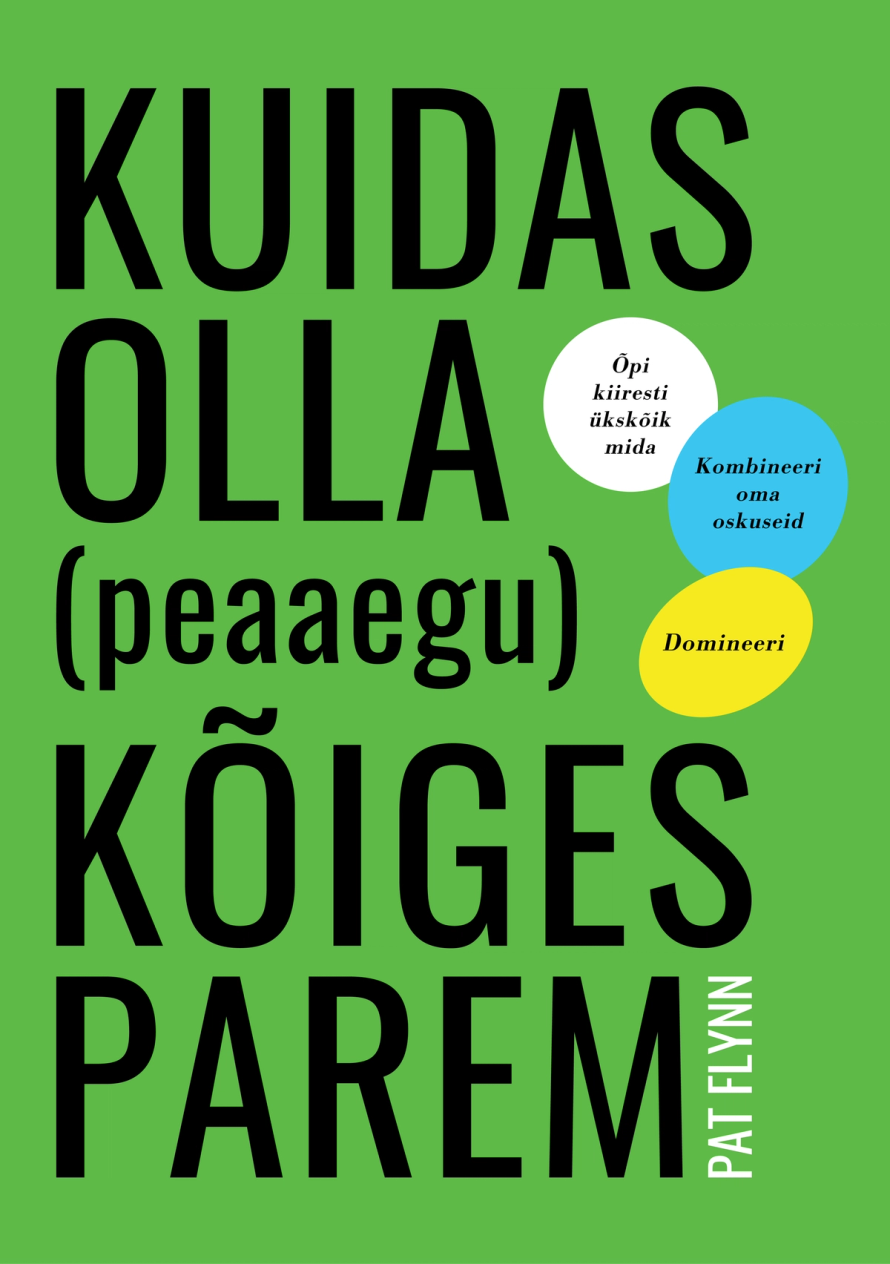
Usun, et uus normaalsus võiks keskenduda hoopis rohkem paindlikkusele, töö tähenduslikkusele ja elurütmile.
lk 20
Läbimurded on need, mis sünnivad pärast tundide-, päevade- ja aastatepikkust tuima monotoonset tööd.
lk 104
The problem is that most of us hate structure, which is one of the reasons we started our business in the first place. We want the “freedom” to do what we want, when we want. But freedom—just as entrepreneurial success—has a price: discipline and structure.
lk 86
Inimestele meenub miski, mida nad juba teavad: erakordseks saamiseks on vaja töökust ja distsipliini; rutiine, mis võivad igavaks muutuda; jätkuvat fustratsiooni, mis kaasneb õppimisega; raskuseid mis panevad su südame ja hinge iga mõõtme proovile, ja lõpuks— julgust.
lk 264
This site runs on the required+ Foundation Theme. Based on the awesome Foundation Framework by the humble folks at ZURB.